
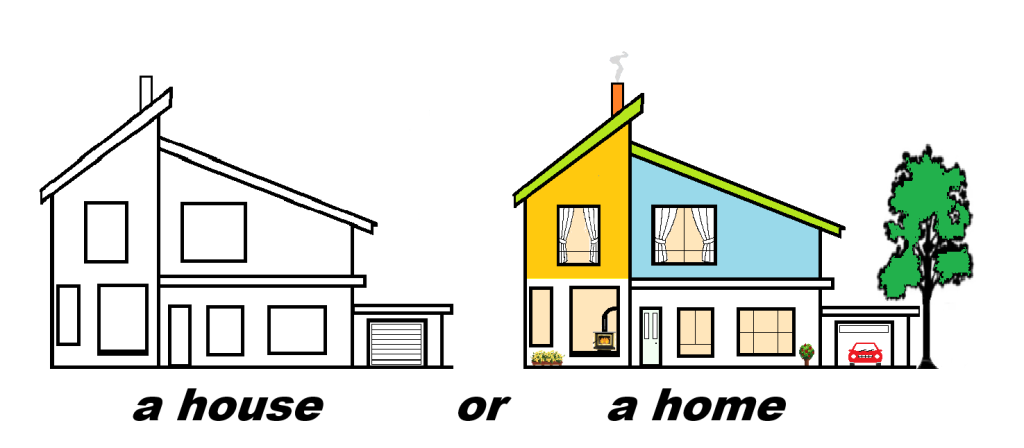
Why Do We Treat Tenants and Owners So Differently? Rethinking Housing Security in Australia
Australia’s public conversation about housing usually begins and ends with affordability. But affordability is only one part of the picture. The deeper issue is security—who has it, who doesn’t, and how our laws create or remove it. Property owners enjoy extensive protections, while tenants often live with the constant fear of eviction and rent increases. This imbalance shapes everything from family stability to national house prices.
What It Really Means to “Own” a Property
Ownership sounds absolute, but it isn’t. Even owners must obey a long list of regulations:
- Planning and zoning controls for extensions, second dwellings, demolition, or changes of use.
- Environmental and heritage restrictions that limit tree removal, reconstruction, or façade changes.
- Safety standards for pool fencing, smoke alarms, asbestos, electrical work.
In other words, property rights are never unrestricted—they are conditional and embedded in a public framework.
Yet once we move from ownership to renting, the conversation becomes strangely one-sided. Owners are protected; tenants are not.
Australia’s Rental Laws: Short Leases and Easy Evictions
Most Australian leases are 6 or 12 months. In many states, landlords can end a tenancy without giving any reason, provided they give 30–90 days’ notice. Rent can usually be increased annually, often sharply when a new lease is signed. Tenants frequently hesitate to request repairs out of fear their lease may not be renewed.
This insecurity has major social effects:
1. Pressure to Buy a Home
When renting feels precarious, home ownership becomes not just desirable but necessary for basic stability. Families want security of tenure, not unpredictability every six months.
2. Rising House Prices
Because renting is insecure, people push harder into the ownership market, increasing demand and therefore prices. Meanwhile, owning additional properties becomes extremely attractive:
- landlords face low risk of long-term sitting tenants,
- rents can be increased frequently,
- and eviction powers are strong.
This helps explain why multiple-property ownership has become one of Australia’s preferred wealth-building strategies. The regulatory environment makes it safe, predictable, and profitable.
Meanwhile, in France: Tenants Sleep More Easily
Countries like France take a very different approach. Renting there is considered a stable and respectable form of living, not a temporary compromise.
Key differences:
| Issue | Australia | France |
| Default lease length | 6–12 months | 3 years (private landlords), 6 years (corporate) |
| Eviction | Often allowed with no reason at lease end | Only allowed for narrow reasons (selling, moving in, major renovation) |
| Winter eviction ban | None | Evictions prohibited Nov–Mar (“trêve hivernale”) |
| Rent increases | Annual, often substantial | Strictly regulated, indexed, limited |
| Lease renewal | Not automatic; landlord may decline | Renewal is presumed unless legally justified |
| Social attitude | Renting seen as insecure and temporary | Renting seen as normal, stable long-term housing |
The result:
- Families can plan years ahead.
- Tenants feel respected and protected.
- Home ownership is a choice, not a necessity for personal security.
Why Should Landlords Be Able to Evict Just Because They Want to Sell?
One of the strongest protections Australian landlords maintain is the right to evict tenants in order to sell a property or simply choose not to renew a lease. But this raises an important question:
Why should a tenant lose their home just because an owner wants to transact financially?
A house being sold is not an emergency, nor a tenant’s fault. In France, Germany, and other European countries, the principle is clear:
the rental contract belongs to the property, not the owner.
If the owner sells, the buyer simply takes over the tenancy. The tenant stays.
Imagine if Australia adopted that approach:
- Landlords could still sell whenever they wished.
- But the tenant would remain, under the existing contract.
- Investors could no longer churn tenants for higher rents.
- Families wouldn’t face sudden moves due to someone else’s financial decision.
Such a reform would fundamentally rebalance security in the housing system.
A Question for Readers
Should Australia treat renting as a dignified, stable form of housing rather than a precarious stopgap?
Should we consider adopting longer leases, banning no-grounds evictions, or requiring properties to be sold with existing tenants in place?
If we want fairer, more secure housing—and more sensible house prices—perhaps the place to begin is by asking whether the right to remain in your home should matter at least as much as the right to sell one.